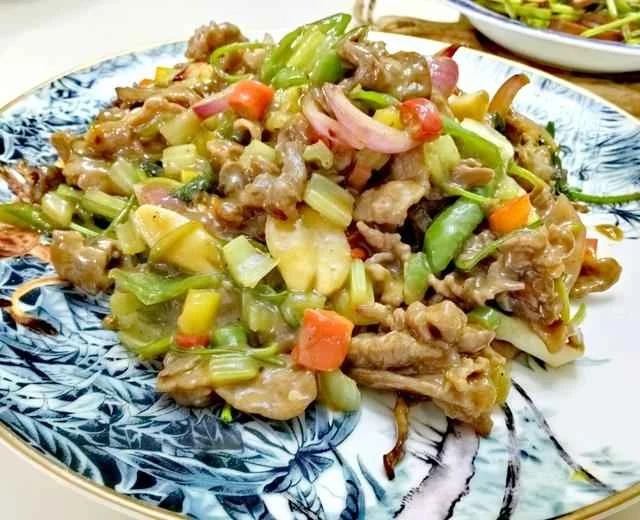
Stir-fried 'Diaolong' (吊龙) is a new-style home-style dish that blends Chaoshan beef culture with stir-frying techniques from various regions. The core story revolves around the collision of "freshness" and "spiciness," and the transformation from "quick hot pot" to "quick stir-fry." Origin: 'Diaolong' and Chaoshan Hot Pot. 'Diaolong' is the core part of Chaoshan beef hot pot, referring to the longissimus dorsi muscle on both sides of the cow's spine. It gets its name from its resemblance to a dragon's spine when cut and hung. A cow only yields about 6-8 jin (approximately 3-4 catties), with snowflake-like marbling, a perfect balance of fat and lean, tender yet not dry. Chaoshan people emphasize that 'Diaolong' is freshly cut and cooked immediately, cooked for just a few seconds to lock in freshness and highlight its original flavor. This is the origin logic of the "quick heat to lock in the juices" principle in stir-fried 'Diaolong'. Transformation: From Hot Pot to Stir-fry - Basic Transformation: Cantonese restaurants first moved 'Diaolong' from hot pot to stir-fry, using light soy sauce and oyster sauce for a sweet and savory flavor, and quick stir-frying to preserve its tenderness, creating the Cantonese-style stir-fried 'Diaolong'. - Flavor Upgrade: Chefs from Hunan, Sichuan, and Jiangxi provinces have incorporated their local spicy elements, adding millet peppers, long peppers, and pickled peppers, stir-frying over high heat to create "wok hei" (the smoky aroma imparted by a hot wok), forming "stir-fried hanging tenderloin," suitable for those who love spicy food, and expanding from Cantonese restaurants to fusion restaurants and home-cooked meals. - Key Driver: After 2010, Chaoshan beef hot pot became wildly popular nationwide, and diners became familiar with the "hanging tenderloin" cut; chefs adapted accordingly, making this "hot pot extension dish" a popular main course. Essence and Current Status - Core Logic: Freshness + thin slicing + high-heat stir-frying, marinating the meat with little oil/thin batter, stir-frying the ingredients until fragrant, then returning it to the wok, quickly coating it with sauce, the whole process takes 1-2 minutes, locking in the juices and preventing the meat from becoming dry. - Current Characteristics: The cooking methods in the north and south have different emphases. Cantonese style leans towards freshness and sweetness, Hunan and Jiangxi style emphasizes spiciness, and Sichuan and Chongqing style adds pickled peppers for added flavor. All are marketed for "strong wok hei, tender meat, and being perfect with rice," representing "quick and substantial dishes" in fusion cuisine.
Materials
7 Steps to Make Stir-Fried Pork Tenderloin
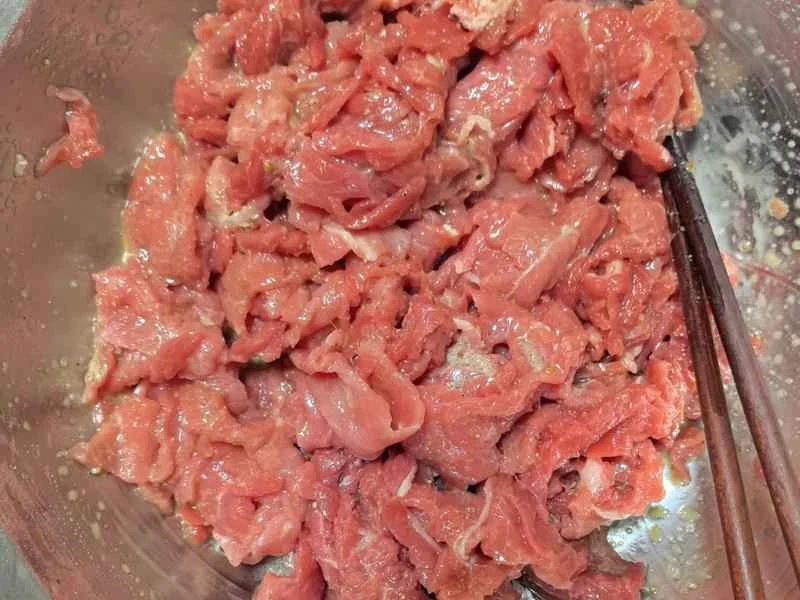
1. Slice 350g of pork tenderloin against the grain into 2mm thin slices. Add 1 tablespoon of light soy sauce, half a tablespoon of cooking wine, a little pepper, 1 tablespoon of cornstarch, and 1 tablespoon of cooking oil. Mix well and marinate for 10 minutes (marinating with less oil helps retain the juices).
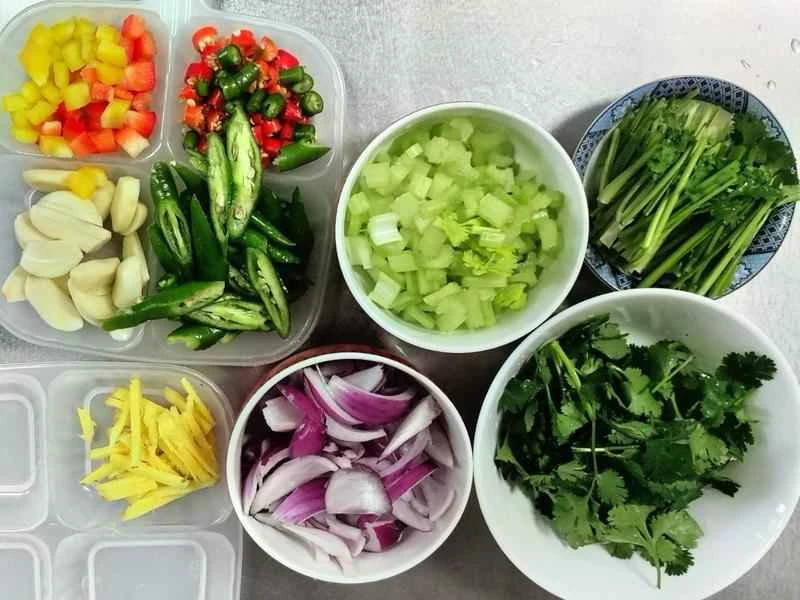
2. Slice 5 small red chilies into rings, diagonally slice 3 long green chilies, slice 6 cloves of garlic, dice yellow and red bell peppers (optional), slice half an onion (optional), slice a little ginger, separate the cilantro leaves and stems into sections, and dice the celery stalks;
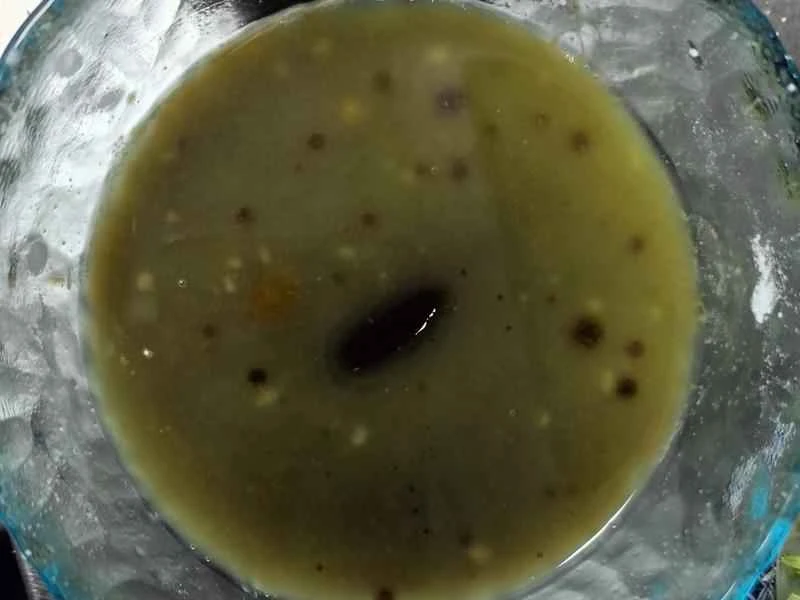
3. Mix 2 tablespoons of light soy sauce, 1 tablespoon of oyster sauce, half a tablespoon of sugar, a pinch of salt, half a tablespoon of cornstarch, 1 tablespoon of vinegar, and 2 tablespoons of Sichuan peppercorn oil. Stir well and set aside.
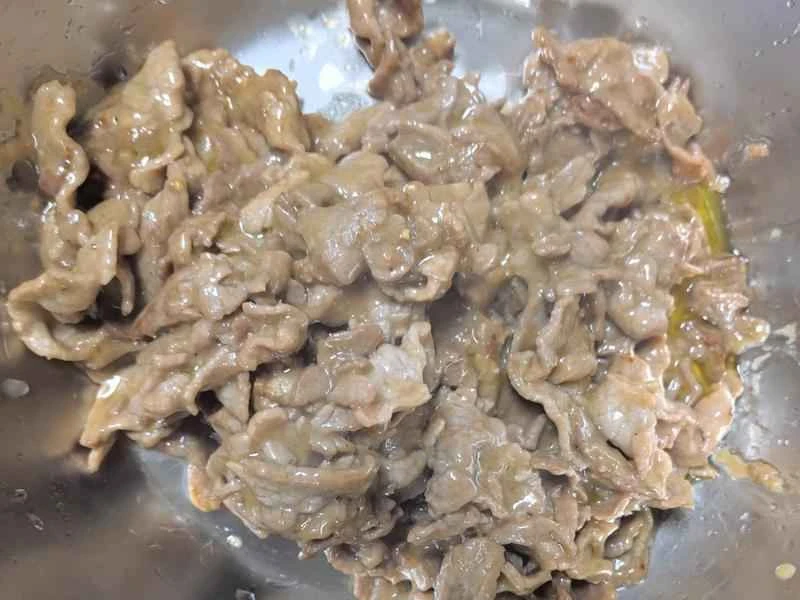
4. Heat the wok until it smokes, pour in a small amount of cooking oil to coat the inside of the wok, then pour it out. This step is key to preventing the meat from sticking when stir-frying. Add a little oil again, add the marinated pork tenderloin, and stir-fry quickly over high heat until it is 70% cooked (the meat slices curl slightly and the edges change color). Immediately remove it from the wok and set it aside.
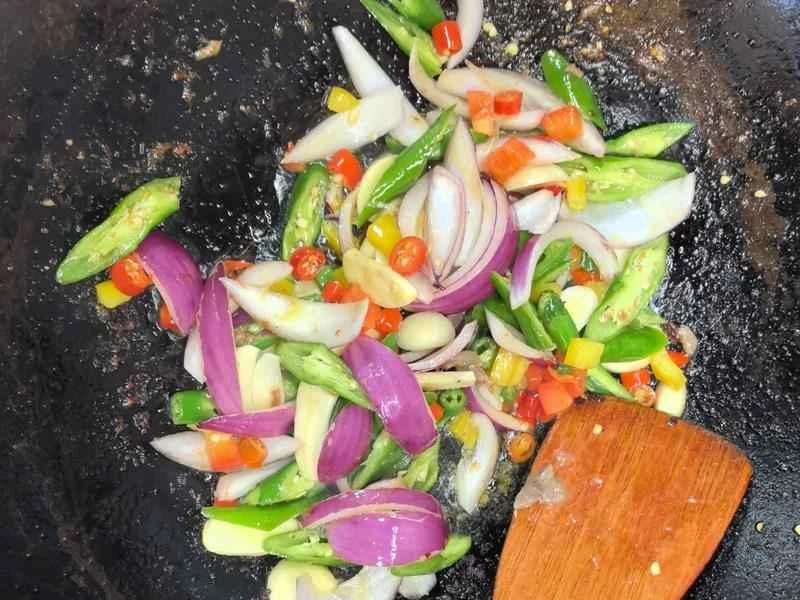
5. Leave some oil in the pan, add ginger and garlic slices, green and red peppers, and onions, and stir-fry for 30 seconds to bring out the aroma and spiciness of the peppers.
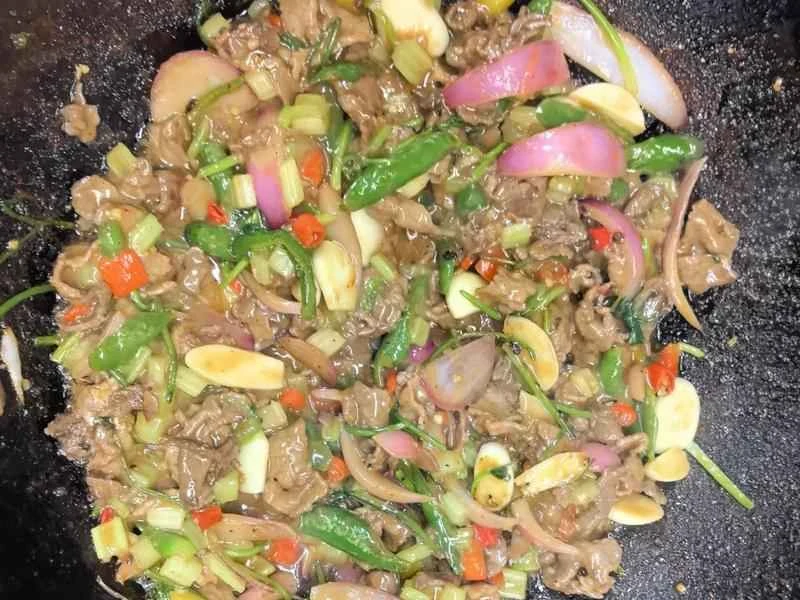
6. Pour back the stir-fried scallion, cilantro stems, and celery stems, pour in the prepared sauce, turn to the highest heat and stir-fry quickly for 20 seconds to coat each piece of meat evenly with the sauce.
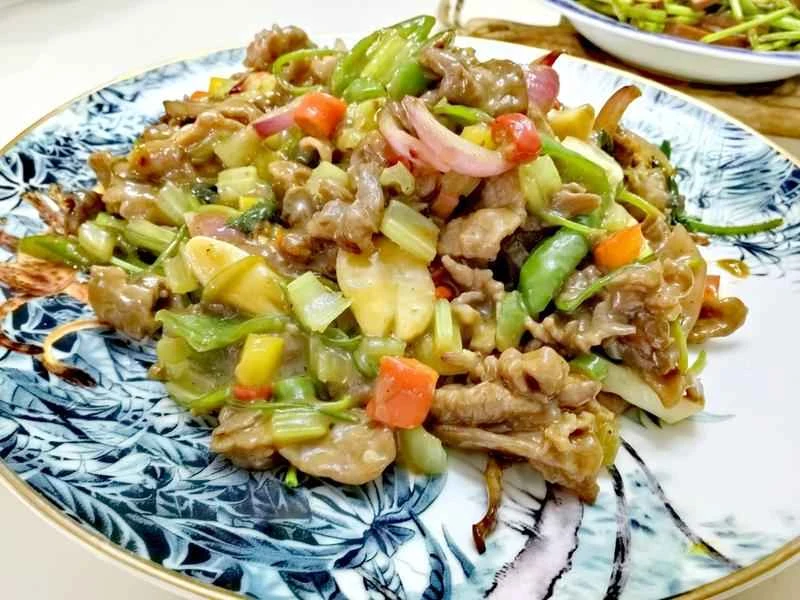
7. Place cilantro leaves at the bottom of the plate and serve.